Large breed
Newfoundland Puppies
Gentle giant, perfect for your family adventures
We do not have Newfoundland puppies on the floor today. Tell us what you are looking for and we will let you know the moment one arrives, or help you find a breed that suits your home just as well.
- Adult weight 100–150 lbs
- Height 26–28 in
- Lifespan 8–10 years
- Exercise 60 min a day
About the Newfoundland
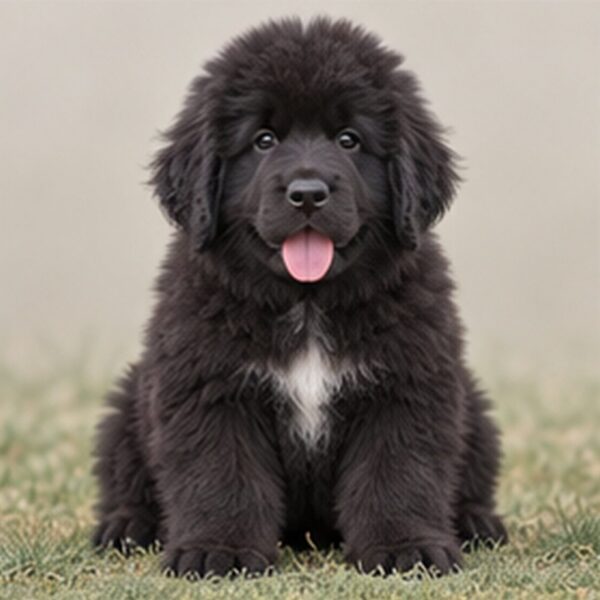
The Newfoundland is a gentle giant known for its impressive size and loving nature, making it a wonderful companion for families and individuals alike. Originating from the rugged coasts of Newfoundland, Canada, this breed has a long history of working alongside fishermen, displaying strength and intelligence through tasks like water rescue and hauling nets. Newfoundlands are often described as sweet-natured and patient, which makes them particularly good with children and other pets. Their affectionate disposition allows them to bond closely with their families, creating a warm, loving atmosphere in any home.
Read more about the Newfoundland Show less
Despite their large stature, Newfoundlands have a moderate energy level, making them suitable for various living situations, including those with limited space. Regular walks and moderate playtime will keep them happy and healthy, but they also appreciate a cozy spot at home where they can relax. This breed is generally low-shedding, requiring weekly grooming to maintain their beautiful, water-resistant coats. Their calm demeanor means they tend to be more fond of quiet evenings spent indoors rather than excessive outdoor adventures.
Newfoundlands are eager to please and respond well to training, showcasing their intelligence while learning commands and tricks. Their understanding of human emotions and their loyalty make them not only trainable but also wonderful support animals. While they have a tendency to bark only occasionally, their presence alone can be quite reassuring. If you are looking for a devoted friend who will bring joy and companionship into your life, consider welcoming a Newfoundland into your home, especially if you’re searching in Petland Hoffman Estates, IL.
Newfoundland breed profile
Every score below is set by our team for this breed. Higher is simply more of that trait, not better or worse.
Temperament
-
Affection Devoted
-
Playfulness Very playful
-
With strangers Never met a stranger
-
Territorial Relaxed
-
Prey drive Low
Family & other pets
-
Young children Excellent
-
Older children Excellent
-
Other dogs Sociable
-
Cats Great with cats
Energy & exercise
-
Energy Relaxed
-
Mental stimulation Moderate
Training
-
Trainability Quick to learn
-
Intelligence Very bright
-
Stubbornness Biddable
Care & upkeep
-
Shedding Minimal
-
Drooling A drooler
-
Barking Occasional
Home life
-
Apartment living Prefers a house
-
Time alone Needs company
-
Cold weather Thrives in it
-
Warm weather Needs shade
A good match for
-
First-time owners Good first dog
-
Senior owners Good
-
Running partner Short distances
-
Hiking Good
-
Therapy work Good
-
Guarding Protective
Living with a Newfoundland
Temperament & Family Fit
The Newfoundland is known for its gentle giant disposition, making it an exceptional choice for families. With a high affection level and a full score in being good with young kids and other pets, Newfoundlands truly thrive in a loving home environment. Their laid-back and friendly nature means they are generally calm and welcoming, allowing them to be wonderful companions for both children and adults alike.
Energy & Exercise
<p Despite being a large breed, Newfoundlands exhibit a moderate energy level, so they don’t require excessive exercise. A few daily walks and some playful time in the yard will keep them happy and healthy. They're perfectly suited to a life where they can lounge around, but they appreciate an active family who can enjoy occasional adventures together.
Care & Grooming
Newfoundlands come with a thick coat that requires consistent grooming, but fortunately, their shedding level is low. A weekly grooming routine will help keep their coat healthy and the home fur-free. With their gentle nature, bath time can even be turned into a bonding experience, ensuring your furry friend maintains that classic Newfie fluff!
Training Notes
Known for their intelligence, Newfoundlands can be trained with patience and positive reinforcement tactics. While they are generally eager to please, their independent streak may require some extra encouragement during training sessions. Given their friendly disposition, consistent training will help them socialize well and become the well-mannered family member they were born to be!
Caring for a Newfoundland
- Grooming
- Weekly brushing
- Grooming cost
- Average
- Monthly food
- High
- Outdoor space
- A yard is recommended
- Allergy friendly
- Not considered hypoallergenic
Frequently Asked Questions
Are Newfoundlands good with young children?
Absolutely! Newfoundlands are known for their gentle and patient nature, making them excellent companions for families with young kids. They are often referred to as 'gentle giants' because they handle children with care and love.
How much grooming do Newfoundlands require?
Newfoundlands have a water-resistant coat that needs attention, but you won't have to groom them every day. A weekly grooming session is usually enough to keep their coat healthy and free of tangles, which is quite manageable for most families.
Do Newfoundlands get along with other pets?
Yes, Newfoundlands are known to be very sociable and typically get along well with other dogs and even cats. Their calm demeanor and affectionate nature make them a great addition to a multi-pet household.
Can a Newfoundland live in an apartment?
While Newfoundlands are large dogs, they can adapt to apartment living if they get enough exercise and mental stimulation. They have a lower energy level, so regular walks and playtime can keep them content, though they do appreciate space to stretch out.
How trainable are Newfoundlands?
Newfoundlands are quite trainable; they are intelligent and eager to please, which makes training sessions enjoyable. However, they can be a bit independent at times, so consistent, positive reinforcement methods work best to help them learn.