Large breed
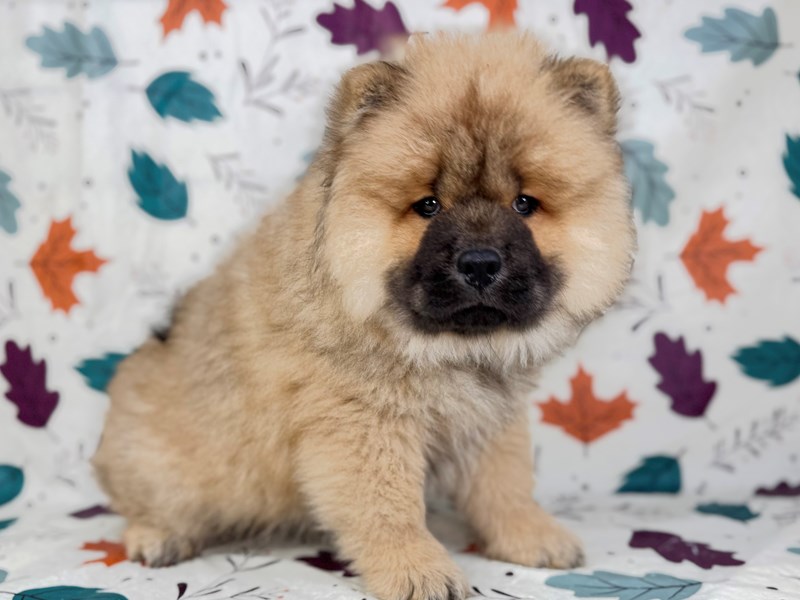
Chow Chow Puppies
Chow Chows, your lovable, fluffy companions
- Adult weight 45–70 lbs
- Height 18–22 in
- Lifespan 8–12 years
- Exercise 30 min a day
 1 available now
Available Chow Chow Puppies
About the Chow Chow
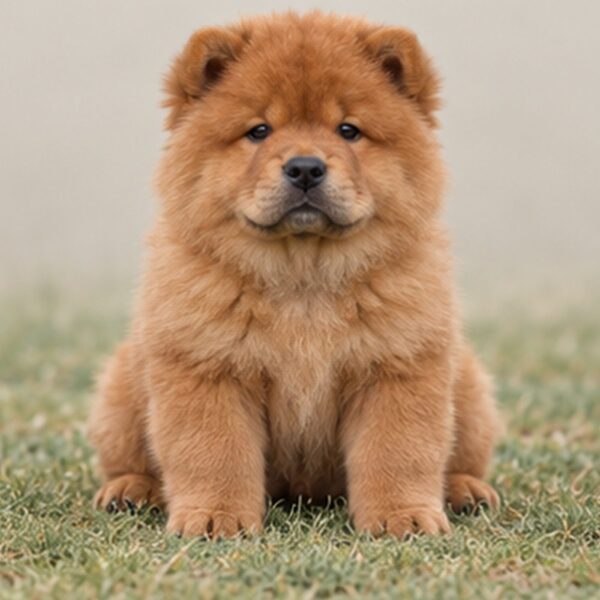
The Chow Chow is a strikingly beautiful breed known for its distinctive lion-like appearance and rich history that dates back thousands of years to ancient China, where they were originally used as hunting dogs and guardians. With their signature blue-black tongues and thick fur, they are not just eye-catching; they have a unique charm that captivates many dog lovers looking for a loyal companion. While they may not be the most energetic breed, Chow Chows exhibit a calm demeanor that makes them suitable for families and homes alike, though they need proper socialization to flourish among young children and other pets.
Read more about the Chow Chow Show less
These large dogs thrive on companionship but are often described as somewhat independent. They can blend well in a variety of living situations, from apartments to larger homes, as long as their exercise needs are met through leisurely walks or playtime. Although they enjoy being with their families, they also appreciate their quiet moments and don’t require excessive activity, making them good fits for more laid-back lifestyles. Chow Chows do require weekly grooming to maintain their majestic coats, so be prepared for a bit of brushing and care to keep them looking their best.
In terms of trainability, Chow Chows can be a bit challenging. They are intelligent dogs but tend to have a stubborn streak, which means patience and consistency are essential during training sessions. Their affection level may be moderate, but they often display loyalty and love towards their owners in their own unique ways. If you are considering adding a Chow Chow to your family, be ready for a devoted dog that will form a strong bond with you. For those in Petland Hoffman Estates, IL, this breed could be the perfect choice if you value a unique companion with a dignified presence.
Chow Chow breed profile
Every score below is set by our team for this breed. Higher is simply more of that trait, not better or worse.
Temperament
-
Affection Independent
-
Playfulness Serious
-
With strangers Wary
-
Territorial Very territorial
-
Prey drive Low
Family & other pets
-
Young children Adult homes
-
Older children Adult homes
-
Other dogs Prefers to be the only dog
-
Cats Needs care
Energy & exercise
-
Energy Relaxed
-
Mental stimulation Light
Training
-
Trainability Takes patience
-
Intelligence Bright
-
Stubbornness Stubborn
Care & upkeep
-
Shedding Minimal
-
Drooling Minimal
-
Barking Occasional
Home life
-
Apartment living Adaptable
-
Time alone Most of a day
-
Cold weather Comfortable
-
Warm weather Needs shade
A good match for
-
First-time owners Some experience helps
-
Senior owners Good
-
Running partner Short distances
-
Hiking Short walks
-
Therapy work Unlikely
-
Guarding Strong guardian
Living with a Chow Chow
Temperament & Family Fit
The Chow Chow is known for its distinct, lion-like appearance and regal demeanor. While they may not be the best fit for families with very young children or other pets, their calm disposition can make them a lovely companion for those who appreciate a more independent dog. Their loyalty and unique personality mean they thrive best in homes where they can receive attention and understanding.
Energy & Exercise
Our fluffy friends, the Chow Chows, have a laid-back energy level that makes them quite content with moderate daily exercise. A couple of leisurely walks and some playtime around the house or yard will keep them happy and healthy. Just remember, they appreciate a relaxed lifestyle, so don’t feel pressured to engage in rigorous activities!
Care & Grooming
Chow Chows have a beautiful double coat that requires regular grooming, ideally once a week, to keep them looking their best and minimize shedding. Their thick fur can attract dirt, so it's important to maintain a consistent grooming routine to prevent matting. Luckily, this breed doesn’t shed excessively, which helps make cleanup a tad easier for the busy household!
Training Notes
Training a Chow Chow can be a delightful adventure, though it’s important to approach it with patience and positivity. While they aren't the most easily trainable breed, with consistent and gentle guidance, they can learn and respond well to commands. Building a bond based on respect will help in ensuring that your Chow Chow becomes a well-rounded and obedient companion.
Caring for a Chow Chow
- Grooming
- Weekly brushing
- Grooming cost
- Average
- Monthly food
- Average
- Outdoor space
- A yard is recommended
- Allergy friendly
- Not considered hypoallergenic
Frequently Asked Questions
What is the typical personality of a Chow Chow?
Chow Chows have a unique and regal personality. They tend to be quite independent and can be aloof with strangers, making them excellent watchdogs. However, they're also known to form strong bonds with their families and can be quite affectionate in their own way.
How much grooming does a Chow Chow need?
Grooming a Chow Chow requires some commitment, as they have a thick double coat. You'll need to brush them weekly to keep their fur looking its best and to minimize shedding. Regular grooming helps prevent matting and keeps their skin healthy.
Are Chow Chows good with children and other pets?
While Chow Chows can be loyal companions, they may not be the best match for families with young children, as their temperament can be somewhat reserved. They also generally prefer their own space, which might make them less compatible with other dogs. However, they can coexist with cats if properly introduced.
Can Chow Chows adapt to apartment living?
Yes, Chow Chows can adapt to apartment living, especially if they receive regular exercise. They have a moderate energy level, so daily walks and some playtime will keep them happy. Just be mindful of their space and provide them with a cozy spot to rest.
How easy are Chow Chows to train?
Chow Chows can be moderately trainable, but they may not respond as eagerly as some other breeds. Consistency and patience are key, along with positive reinforcement techniques. Socialization from an early age can help them become more adaptable and well-mannered.